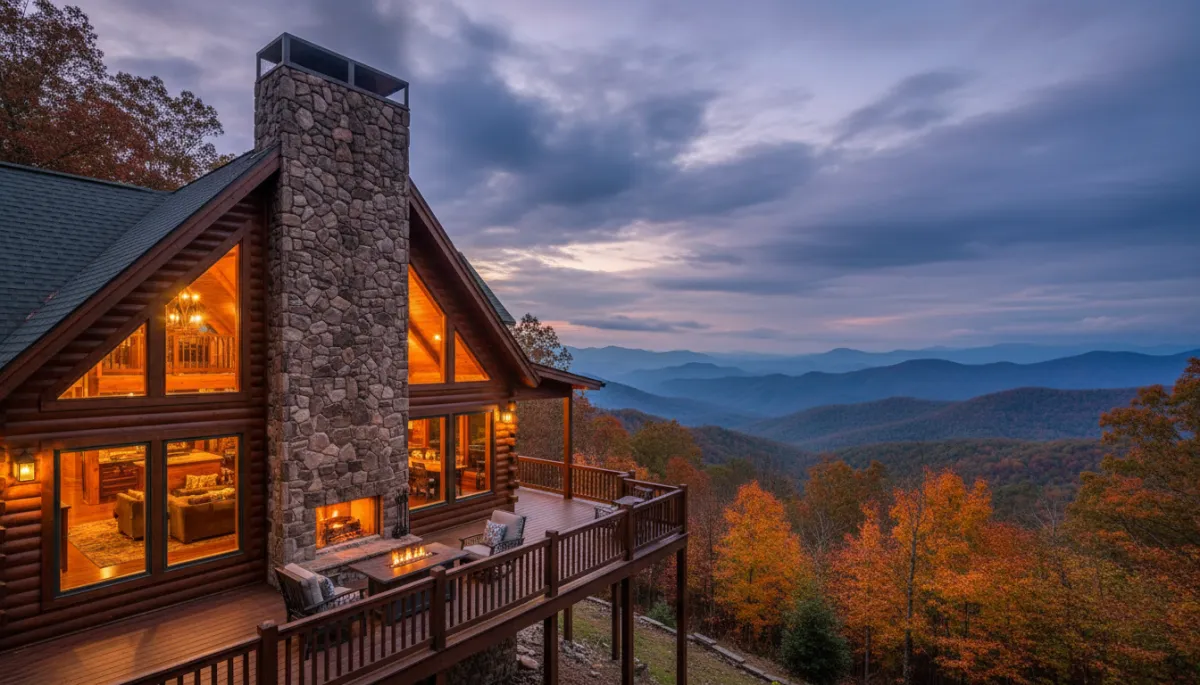
STR vs LTR: Sevierville Real Estate Investment
Real Estate Investing, Sevierville STR vs LTR
STR vs. Long-Term Rental in Sevierville: Which Actually Cash Flows Better?
Thinking about buying a Smoky Mountain investment property and torn between a classic long-term rental and an Airbnb cabin? Let’s break down what the numbers really look like in Sevierville in 2026, using a realistic $350,000 cabin example and the loan options investors are actually using right now.
Why East Tennessee — and Sevierville — Are on Every Investor’s Radar
Sevierville sits in the heart of one of the strongest vacation corridors in the country: Gatlinburg, Pigeon Forge, and the Great Smoky Mountains National Park. Tourism keeps demand for short-term stays high, while steady job growth and rising home prices create a solid backdrop for long-term rentals and appreciation.
On the long-term side, sources like SFR Analytics peg median asking rent around strong monthly cash flow on a typical home value near $343,000, for a gross yield of about 7.5%. On the short-term side, AirDNA shows Sevierville STRs averaging about $50,700/year in revenue, with a 55% occupancy rate and an average daily rate around $383. In other words, both lanes can work — but they behave very differently once you factor in financing, expenses, and your time.
A $350K Sevierville Cabin: STR vs. LTR Cash Flow Side by Side
Let’s run a simple, realistic scenario on a $350,000 cabin in Sevierville. Assume 20% down and typical investor terms. Numbers will vary by deal, but this gives you a ballpark.
Item STR (Airbnb-style) LTR (12-month lease) Purchase price $350,000 $350,000 Down payment (20%) $70,000 $70,000 Loan type DSCR STR loan Sevierville Conventional investment loan
For simplicity, let’s assume both loans land around your monthly cash flow depends on your financing terms and rental income — contact Jeff for a DSCR loan analysis built around your specific property principal and interest payment at current investor rates. Add another your monthly cash flow depends on your financing terms and rental income — contact Jeff for a DSCR loan analysis built around your specific property for taxes, insurance, and HOA/cabin community dues, and your baseline carrying cost is roughly your monthly cash flow depends on your financing terms and rental income — contact Jeff for a DSCR loan analysis built around your specific property before operating expenses.
Long-Term Rental Cash Flow Snapshot
Using that SFR Analytics median of about strong monthly cash flow rent:
Gross rent: strong monthly cash flow
Property management (10%): –strong monthly cash flow
Maintenance/reserves (5%): –strong monthly cash flow
Net before mortgage and fixed costs: about your monthly cash flow depends on your financing terms and rental income — contact Jeff for a DSCR loan analysis built around your specific property. Subtract your your monthly cash flow depends on your financing terms and rental income — contact Jeff for a DSCR loan analysis built around your specific property carrying cost and you’re around your monthly cash flow depends on your financing terms and rental income — contact Jeff for a DSCR loan analysis built around your specific property. That lines up with broader LTR data showing many Sevierville long-term rentals running negative cash flow, with median figures closer to –$1,100/month in some analyses.
Short-Term Rental Cash Flow Snapshot
Now take that same cabin as an STR. AirDNA shows average annual revenue around $50,700, or about your monthly cash flow depends on your financing terms and rental income — contact Jeff for a DSCR loan analysis built around your specific property. Some cabins do much better — mid-level performers can hit around $60,000/year, and top-tier properties can push past $90,000+ — but we’ll stay conservative at the average.
Gross STR income: ~your monthly cash flow depends on your financing terms and rental income — contact Jeff for a DSCR loan analysis built around your specific property
STR management (20–25%): –your monthly cash flow depends on your financing terms and rental income — contact Jeff for a DSCR loan analysis built around your specific property (at 22%)
Cleaning, supplies, utilities, platform fees, repairs (estimate 25%): –your monthly cash flow depends on your financing terms and rental income — contact Jeff for a DSCR loan analysis built around your specific property
That leaves roughly your monthly cash flow depends on your financing terms and rental income — contact Jeff for a DSCR loan analysis built around your specific property before debt service. Subtract the same your monthly cash flow depends on your financing terms and rental income — contact Jeff for a DSCR loan analysis built around your specific property carrying cost and you’re slightly negative on the average property (about your monthly cash flow depends on your financing terms and rental income — contact Jeff for a DSCR loan analysis built around your specific property), but remember: this is the blended market average including underperformers. Well-managed cabins in good locations, hitting closer to $60,000/year, can realistically cash flow $1,000–$1,400/month after all expenses and mortgage — which is what many investors are targeting with an STR loan Sevierville strategy.
💡 Big takeaway: On a $350K cabin, average LTR numbers are usually negative, while a well-run STR can still throw off solid positive cash flow — but only if you operate above the market median.
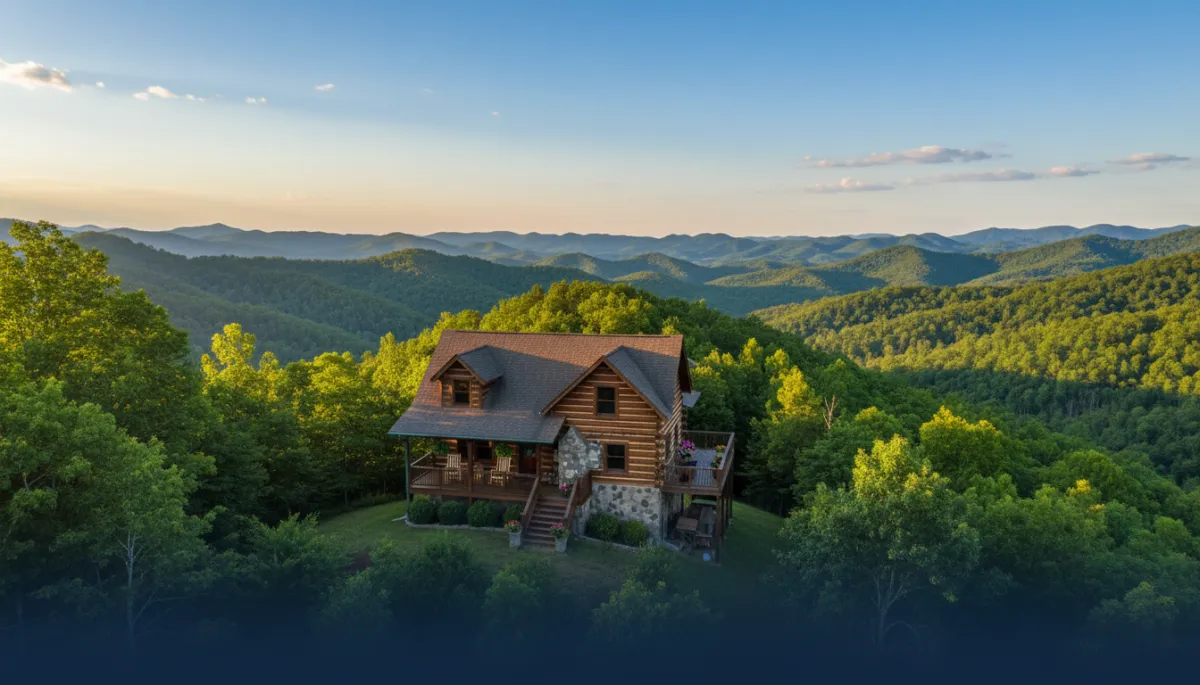
In Sevierville, operator skill often makes the difference between break-even and strong STR cash flow.
Pros and Cons: STR vs. LTR Beyond the Spreadsheet
Short-Term Rental (Airbnb / VRBO Cabin)
Management burden: High. Turnovers, guest messages, reviews, pricing strategy. Most investors hire a full-service manager, especially if they live outside East Tennessee.
Seasonality: Sevierville peaks in summer and holidays, and softens in winter. Occupancy averages around 55%, but top 10% of properties hit 80%+. You need cash reserves for slow months.
Vacancy risk: You’re empty between bookings, but your nightly rate is much higher, so a few extra bookings can move the needle a lot.
Regulations: Inside Sevierville city or unincorporated Sevier County, you’ll need an annual STR operational permit, life-safety inspections, and proper business licensing, plus to collect state and local lodging taxes. It’s very doable, but you can’t ignore the rules.
Long-Term Rental (12+ Month Lease)
Management burden: Much lower. Once you place a solid tenant, you’re mainly handling occasional repairs and renewals. Easy to hand off to a property manager.
Seasonality: Minimal. Rent is the same in February as it is in July, which some investors love from a predictability standpoint.
Vacancy risk: Lower frequency of vacancy, but when the unit is empty, you’re losing a full month of rent, not just a few nights.
Regulations: Simpler. Standard landlord–tenant law, no STR permits, and no hotel/motel taxes. But in Sevierville, the trade-off is that many LTRs simply don’t cash flow on today’s prices and rates.
Best Financing Options: Matching the Loan to the Strategy
For STR Cabins: DSCR and Specialty Short-Term Rental Mortgages
For an STR-focused Smoky Mountain investment property, many investors use a DSCR loan (Debt Service Coverage Ratio). Instead of underwriting your personal income, the lender looks at projected rent (often using AirDNA or appraiser STR comps) to see if the property’s income covers the mortgage payment. This is where a true short-term rental mortgage Tennessee product shines — especially if you’re scaling multiple cabins and don’t want your DTI to be the bottleneck.
If you’re eyeing Airbnb cabin financing Gatlinburg or Sevierville, DSCR loans can also offer flexible documentation and allow you to close in an LLC, which many investors prefer for asset protection.
For LTRs: Conventional Investment Loans
For a straight long-term rental, a conventional investment loan often gives you the best rate and closing costs — as long as your personal income and debt-to-income ratio qualify. These loans typically want 15–25% down, full documentation, and they’ll use market rent as a partial offset to your payment.
The challenge in Sevierville right now is that even with solid terms, many LTRs don’t pencil as positive cash flow. So conventional loans make the most sense if you’re playing a longer game: slow-and-steady equity build plus appreciation, not immediate mailbox money.
Which Strategy Fits You Best as an Investor?
STR is usually better for: Investors who want higher potential cash flow, are comfortable with a business-like operation (marketing, reviews, dynamic pricing), and have reserves to handle seasonality and regulations. If you’re treating your cabin like a hospitality asset, STR can outperform by a wide margin.
LTR is usually better for: Investors who value simplicity and stability over maximum yield. If you’re okay with thinner (or even slightly negative) cash flow in exchange for low-touch management and long-term appreciation, a conventional-financed LTR can still make sense as part of a diversified portfolio.
Ready to Run Your Exact Numbers with a Local Lender?
Every cabin, every loan, and every investor profile is a little different. The right move is to plug your numbers into the model — projected STR income, realistic expenses, and current DSCR or conventional terms — before you write an offer. That’s where working with a lender who lives and breathes East Tennessee rentals really pays off.
If you’re serious about a Smoky Mountain investment property, book a call with Jeff Morgan (NMLS #2737554) at Equity Smart Home Loans in Maryville, TN. Jeff can walk you through STR loan options in Sevierville, conventional routes for long-term rentals, and help you see exactly how your next cabin could perform on paper before you ever step into a showing. You can also map out your full homebuying and investing game plan before you make your first offer.
Jeff Morgan | NMLS #2737554 | Equity Smart Home Loans | NMLS #856170 | Equal Housing Lender. Visit equitysmartloans.com. Rates, fees and programs are subject to change without notice. All applications subject to underwriting guidelines and approval. This does not constitute an offer to lend.
Jeff Morgan | NMLS #2737554 | Equity Smart Home Loans | NMLS #856170 | Equal Housing Lender | equitysmartloans.com | Rates, fees and programs are subject to change without notice. All applications subject to underwriting guidelines and approval. This does not constitute an offer to lend.